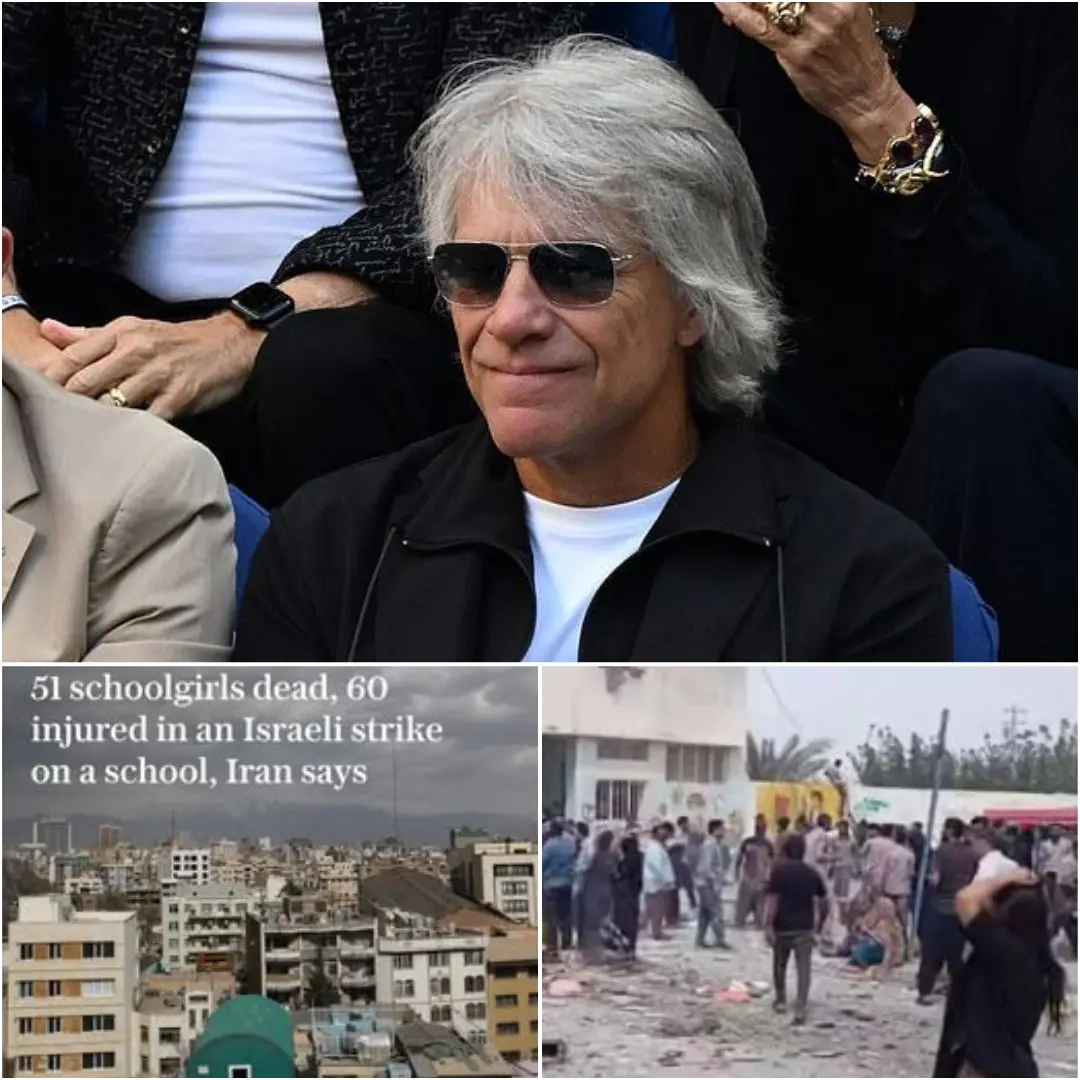
In an emotional announcement that quickly reverberated across the music world and humanitarian circles alike, Bon Jovi revealed that he has committed the entirety of his recent $5 million in career bonuses and sponsorship earnings to fund emergency relief and medical assistance for families impacted by a reported elementary school strike in southern Iran. The pledge, delivered during a somber press conference and later shared through his official communication channels, signals one of the most significant single-person humanitarian commitments of his career.
Speaking with visible emotion, Bon Jovi described the images and accounts of injured children and grieving families as impossible to ignore. “I’ve seen the reports of those innocent children in the south, and I promised myself that if I ever had the chance to help those caught in the crossfire of this war, I’d step up,” he said. “No child should have to face that kind of tragedy, and no family should have to mourn such a loss alone.” His words, measured but heartfelt, reflected a deep personal response to what he called “a moment that demands humanity before politics.”
According to representatives close to the singer, the $5 million donation will be directed toward a coalition of established international relief organizations currently working in conflict-affected regions. The funds are expected to support emergency medical supplies, trauma surgery capacity, mobile health clinics, grief counseling services, and longer-term rehabilitation programs for children and families displaced or injured by the violence. Organizers involved in coordinating the aid emphasized that rapid deployment will be critical, particularly for survivors requiring immediate surgical and psychological care.
While details surrounding the strike and the broader escalation in the region continue to develop through international reporting channels, humanitarian agencies have consistently warned of the disproportionate toll that modern conflicts take on children. Schools, hospitals, and civilian neighborhoods are often the most vulnerable sites in times of unrest. Bon Jovi’s team underscored that his contribution is intended not as a political statement, but as a direct response to the human cost of war.
“He has always believed that when innocent lives are affected, silence is not an option,” one advisor said. “This decision was made quickly and without hesitation. He didn’t want a drawn-out campaign or a promotional rollout. He wanted resources on the ground as soon as possible.”
For decades, Bon Jovi has balanced global fame with philanthropic engagement. From affordable housing initiatives to food insecurity programs in the United States, he has cultivated a reputation as an artist who views success as inseparable from responsibility. Those familiar with his charitable foundation note that he often prioritizes structural solutions—long-term investments that address systemic hardship rather than temporary relief alone. In this case, however, the urgency of reported injuries and displacement required immediate action.
During the press conference, the singer acknowledged that many fans might feel overwhelmed by the scale of global crises. “It’s easy to feel powerless when you see something like this on the news,” he said. “But compassion is powerful. If you have the means to help, even in a small way, you can change someone’s tomorrow.” He encouraged individuals and corporations alike to contribute to reputable relief organizations and to stay informed about the humanitarian dimensions of conflicts that often fade from headlines too quickly.
Social media platforms lit up within minutes of the announcement. Messages of support poured in from fans across continents, many praising the artist for leveraging his influence in service of vulnerable communities far from his home country. Some described the gesture as a reminder that cultural figures can transcend entertainment and become advocates for global solidarity. Others expressed hope that high-profile acts of generosity might inspire additional donors, amplifying the reach of the initial pledge.
Humanitarian experts note that celebrity contributions can serve as catalysts in times of crisis. When a well-known public figure commits significant funding, it often draws renewed media attention and encourages private-sector partners to match or supplement the donation. In complex emergencies where needs escalate rapidly, such momentum can mean the difference between underfunded relief efforts and coordinated international support.
At the same time, analysts caution that sustained attention is essential. Conflicts rarely resolve quickly, and communities affected by violence face months or even years of rebuilding. By structuring his contribution to include both immediate medical aid and longer-term recovery programs, Bon Jovi appears to be signaling awareness of this reality. Representatives indicated that a portion of the funds will be allocated to mental health services for children coping with trauma—an area frequently overlooked in emergency response planning.
The announcement also reignited conversations about the broader role of artists in times of global instability. Throughout history, musicians have used their platforms to advocate for peace, civil rights, and humanitarian causes. In this instance, Bon Jovi framed his action not as activism in the traditional sense, but as a moral imperative rooted in empathy. “This isn’t about borders,” he said. “It’s about children. It’s about families. It’s about remembering that our shared humanity is bigger than our differences.”
Industry observers point out that such a sizable personal donation—reportedly encompassing recent bonuses and sponsorship earnings rather than a fraction of overall wealth—reflects a deliberate and symbolic gesture. By committing funds tied directly to his professional success, Bon Jovi appears to be reinforcing the idea that privilege and visibility come with obligations.
As international agencies continue to assess conditions in southern Iran and verify the scope of humanitarian needs, relief coordinators have expressed gratitude for early pledges of support. In situations where infrastructure is damaged and medical facilities are strained, even a single infusion of resources can expand surgical capacity, ensure consistent access to antibiotics and anesthesia, and provide safe spaces for displaced families.
Bon Jovi concluded his remarks with a call that resonated beyond the immediate crisis. “If you can give, give,” he said. “If you can raise awareness, do that. And if all you can do is refuse to look away, that matters too.” The room, filled with journalists and representatives from aid organizations, remained quiet for a moment after he finished speaking—a pause that underscored the gravity of the subject.
Whether additional artists and public figures will follow with similar commitments remains to be seen. What is clear is that the intersection of celebrity influence and humanitarian action continues to evolve in an interconnected world. For Bon Jovi, the decision to act appears rooted in a consistent philosophy: that compassion must move beyond sentiment into tangible support.
As the global community watches developments in the region and awaits further confirmation from on-the-ground sources, the immediate focus for aid groups is clear—stabilize the injured, comfort the grieving, and begin the long process of rebuilding shattered lives. In committing $5 million toward that mission, Bon Jovi has placed a powerful spotlight on the human dimension of conflict, reminding audiences that even amid uncertainty and division, acts of solidarity remain possible.
In a career defined by stadium anthems and decades of performance, this latest chapter may stand out not for its spectacle, but for its quiet insistence that empathy can cross oceans. Whether through music or philanthropy, Bon Jovi’s message remains consistent: when faced with suffering, step forward rather than stand by.
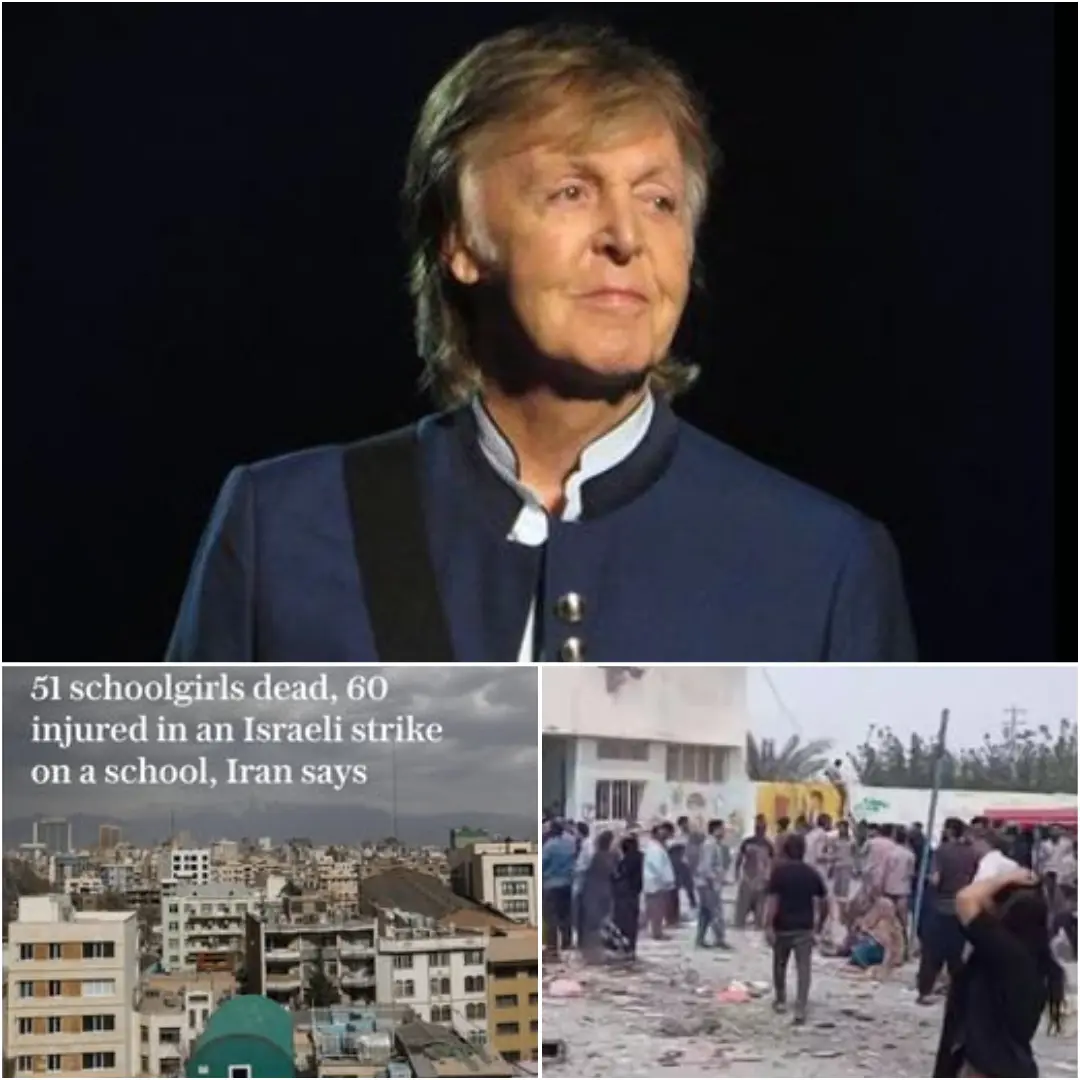
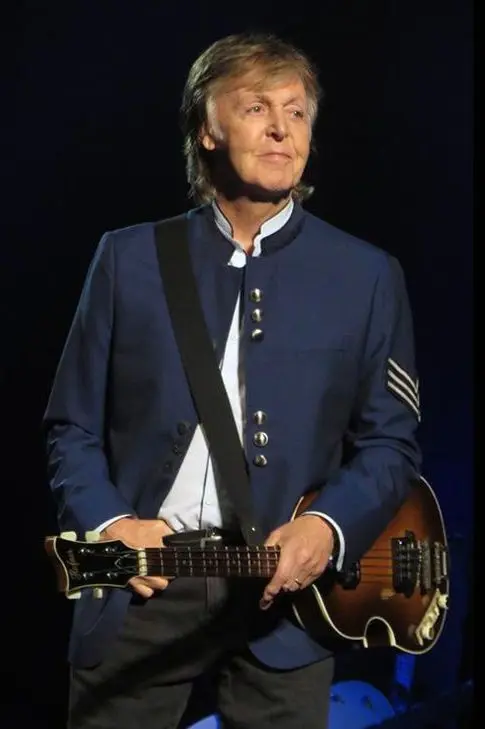 nal relief organizations with experience operating in conflict zones. The funds are expected to cover emergency surgical care, trauma counseling for children and families, temporary housing assistance, and the rapid reconstruction of essential school infrastructure where possible. A portion of the donation will also reportedly be allocated to medical supply shipments, including antibiotics, burn treatments, and portable trauma kits.
 aftermath, with neighbors rushing toward the blast site to pull survivors from rubble before ambulances arrived. Electricity outages and blocked roads have complicated relief operations, underscoring the importance of coordinated international assistance.
 ove, unity, and hope, the decision to redirect personal earnings toward crisis relief appears consistent with themes that have echoed through his songs. Observers say the move reflects a belief that cultural figures can play a meaningful role in responding to human suffering, even when solutions require collective political will.