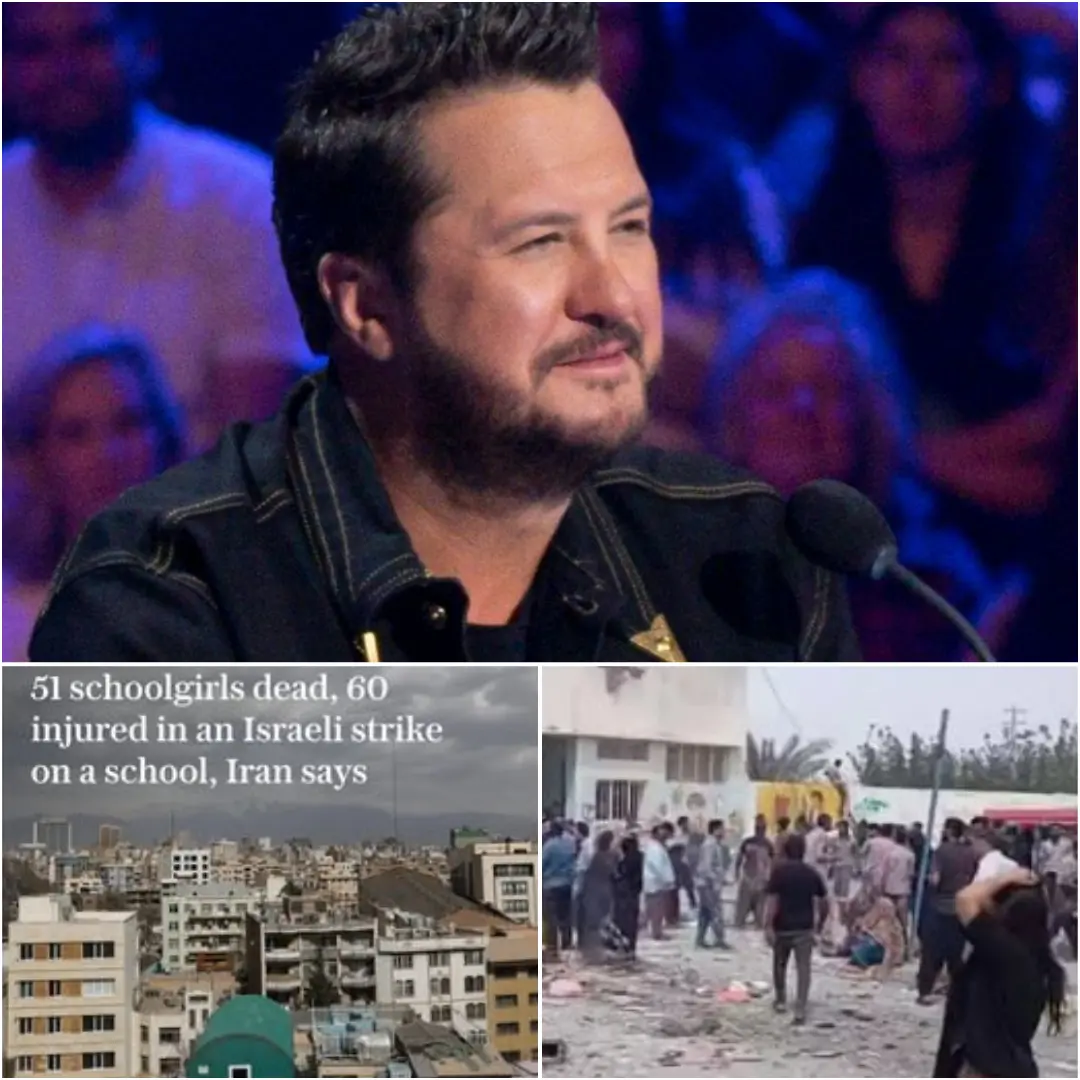

The announcement came without warning, and within minutes it had traveled from Nashville to newsrooms across Europe and the Middle East. Country music superstar Luke Bryan revealed that he has donated his entire $5 million in recent career bonuses and sponsorship earnings to fund emergency relief and medical aid following the tragic elementary school strike in southern Iran. The funds, according to his representatives, will be directed toward immediate trauma care for injured children, long-term psychological support for families, and humanitarian assistance for communities devastated by the escalating conflict.
The strike, which reportedly hit near a primary school during a period of heightened regional tensions, left families shattered and drew international concern over the growing humanitarian cost of the violence. Images of damaged classrooms and grieving parents spread rapidly online, prompting calls for global solidarity and urgent medical intervention. It was those images, Bryan said, that moved him to act.
“I’ve seen the reports of those innocent children in the south, and I promised myself that if I ever had the chan ce to help those caught in the crossfire of this war, I’d step up,” Bryan said during an emotional press conference. Standing before reporters without the usual stage lighting and arena roar that often accompany his public appearances, the singer’s tone was somber and direct. “No child should have to face that kind of tragedy, and no family should have to mourn such a loss alone.”
According to his team, the $5 million contribution represents the entirety of Bryan’s most recent performance bonuses and endorsement earnings, funds that had accumulated over the past year through touring and brand partnerships. Rather than splitting the donation among various causes, Bryan reportedly insisted that the full amount be directed toward coordinated emergency relief efforts in southern Iran, working alongside established humanitarian organizations already operating in the region.
Relief agencies involved in the initiative say the funds will be deployed in phases. The first phase focuses on emergency medical response: equipping field hospitals with surgical supplies, funding pediatric trauma specialists, and ensuring access to medications for injured survivors. The second phase will prioritize mental health services, including grief counseling for children who witnessed the violence and psychological support for parents and teachers. A third phase will help rebuild educational spaces and provide temporary learning centers so that displaced students can continue their schooling.
Humanitarian experts emphasize that beyond the immediate injuries, conflicts often leave deep psychological scars on young survivors. “The trauma of an attack near a school can shape a child’s entire sense of safety,” one aid coordinator explained. “Financial contributions like this allow us not only to treat physical wounds but also to address the invisible ones.”
Bryan’s involvement in charitable causes is not new. Over the years, he has supported disaster relief efforts i n the United States, education initiatives, and health-related charities. However, observers note that this latest act marks one of his largest single donations and one of his most internationally focused efforts. It also signals a rare moment in which a country music figure has directed substantial resources toward a crisis outside the United States, broadening the scope of his humanitarian engagement.
Fans quickly flooded social media with messages of gratitude and support. Many praised Bryan for using his platform to draw attention to a crisis that might otherwise remain distant to his core audience. Others expressed hope that the donation would inspire additional artists and public figures to contribute to global humanitarian efforts.
Music industry analysts suggest that the impact of such gestures extends beyond the financial figure itself. High-profile donations often generate media attention that can mobilize additional funding streams, encourage public awareness, and pressure governments or international bodies to respond more decisively. In that sense, Bryan’s contribution may serve as both direct aid and symbolic leadership.
During the press conference, Bryan appeared visibly moved as he described reading about the children affected by the strike. “When you’re a parent, you see those pictures differently,” he said quietly. “You think about your own kids walking into school in the morning. You think about how safe that’s supposed to be. School is supposed to be a place of dreams, not danger.”
He avoided political commentary, focusing instead on humanitarian principles. “This isn’t about politics,” Bryan emphasized. “It’s about people. It’s about children who deserve a future.”
Representatives confirmed that Bryan worked closely with advisors to ensure that the funds would be channeled through reputable organizations with experience in conflict zones. Transparency measures are reportedly in place to track how the money is spent, including public reporting on medical supplies purchased, services funded, and rebuilding projects initiated.
International reaction has been mixed but largely supportive. Human rights advocates welcomed the gesture as an example of cross-border empathy at a time when geopolitical divisions often dominate headlines. “Compassion should never stop at national borders,” one advocacy leader said. “When influential figures demonstrate solidarity with vulnerable communities, it reminds the world of our shared humanity.”
Some commentators have pointed out the risks public figures face when engaging in international humanitarian issues, noting that global conflicts can carry complex political sensitivities. Yet supporters argue that focusing on children’s welfare transcends political lines.
Within the entertainment world, fellow artists have begun voicing their admiration. Several musicians publicly applauded Bryan’s decision, describing it as courageous and compassionate. Industry insiders suggest that additional benefit concerts or collaborative fundraising events may follow in the coming weeks, though no official announcements have been made.
As the initial funds begin to reach medical teams and aid organizations, the real measure of impact will emerge on the ground. Field hospitals are reportedly preparing to expand pediatric care capacity, and mobile counseling units are expected to deploy to affected neighborhoods. Temporary educational centers are being planned to restore a sense of routine for displaced students.
For families in southern Iran, the immediate concern remains survival and recovery. Parents continue to seek answers, and children are grappling with memories no young person should have to carry. In that context, Bryan’s donation represents both tangible assistance and a broader message: that even in distant corners of the world, their suffering has been seen.
In his closing remarks at the press conference, Bryan reflected on the responsibility that comes with public visibility. “I’ve been blessed beyond anything I ever imagined,” he said. “If that blessing means I can help even a handful of kids heal, then that’s exactly what I’m going to do.”
As headlines continue to circulate and relief efforts unfold, one truth remains clear: amid the noise of global conflict, a gesture of compassion can resonate far beyond the stage lights. Whether measured in dollars, medical supplies, or restored classrooms, the impact of this decision may echo in the lives of children striving to reclaim a sense of safety and hope.
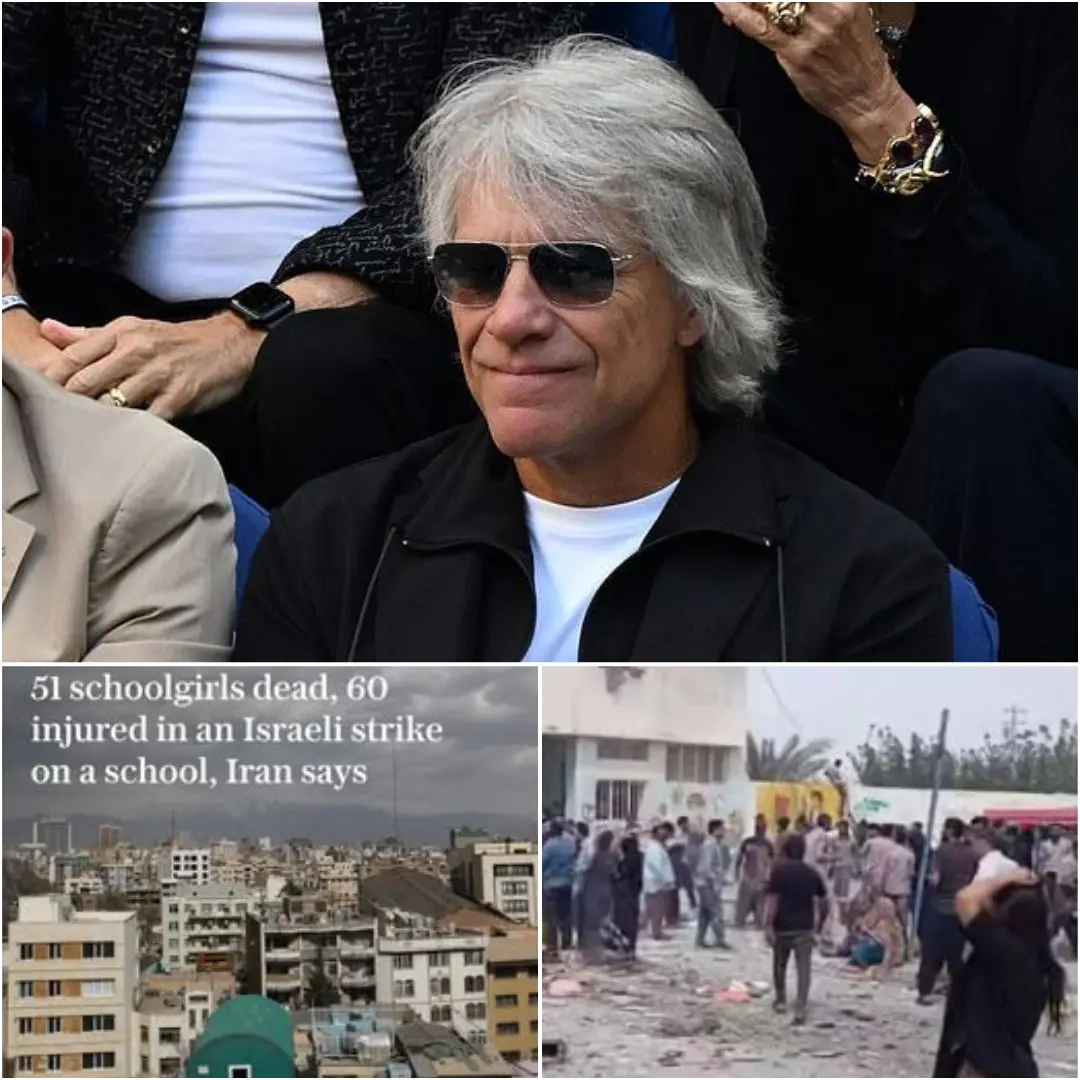
 programs for children and families displaced or injured by the violence. Organizers involved in coordinating the aid emphasized that rapid deployment will be critical, particularly for survivors requiring immediate surgical and psychological care.